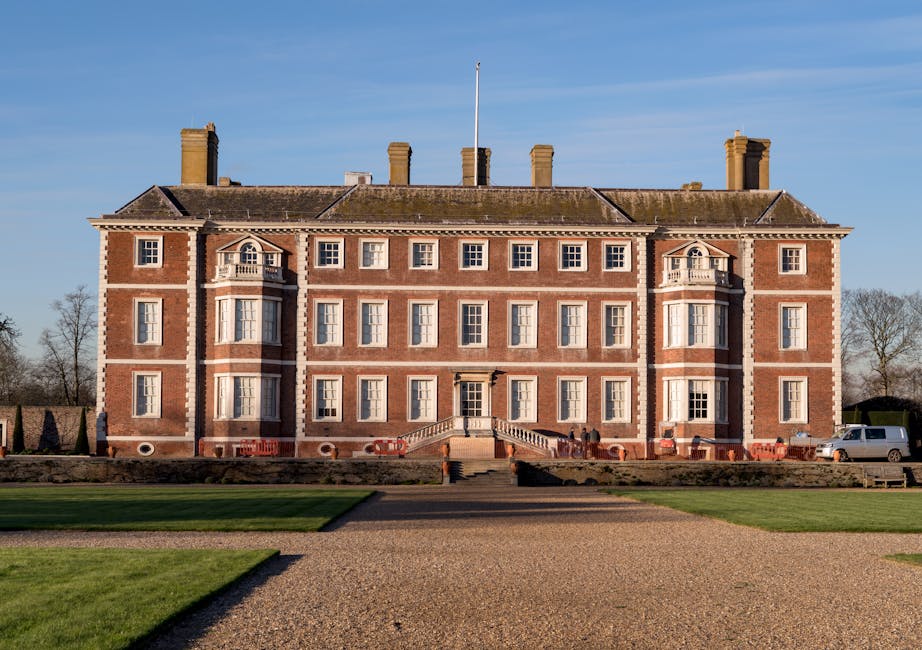
Kensington Palace Moving Day Plan for Period Homes: A Practical Guide for a Smooth, Careful Move
Moving out of a period home near Kensington Palace is never just about boxes and a van. There are staircases that seem designed before anyone thought about wardrobes, fragile plasterwork, awkward street access, and the sort of layout where one wrong turn with a sofa can leave a mark you'll be staring at for years. A well-thought-out Kensington Palace moving day plan for period homes is the difference between a day that feels controlled and one that quietly unravels by 10:15am.
Whether you're leaving a Georgian terrace, a Victorian conversion, or a tall, characterful townhouse with narrow halls and original features, the goal is the same: protect the property, protect your belongings, and keep the day moving. This guide walks through the practical reality of planning a period-home move in Kensington, from access and packing to timing, specialist handling, and the little details people forget until they matter. And yes, the little details are usually the ones that bite.
Table of Contents
- Why Kensington Palace moving day plan for period homes Matters
- How Kensington Palace moving day plan for period homes Works
- Key Benefits and Practical Advantages
- Who This Is For and When It Makes Sense
- Step-by-Step Guidance
- Expert Tips for Better Results
- Common Mistakes to Avoid
- Tools, Resources and Recommendations
- Law, Compliance, Standards, or Best Practice
- Options, Methods, or Comparison Table
- Case Study or Real-World Example
- Practical Checklist
- Conclusion
- Frequently Asked Questions
Why Kensington Palace moving day plan for period homes Matters
Period homes are beautiful, but they can be awkward in ways a newer property rarely is. In Kensington, that often means narrow stairwells, split-level rooms, sash windows, decorative cornicing, original floorboards, and entrances that are tight even on a good day. If your move is close to Kensington Palace, you may also be dealing with busy roads, parking pressure, and limited loading space. All of that needs to be thought through before moving day, not while the crew is standing on the pavement wondering where the trolley should go.
A proper moving day plan matters because period properties need a gentler, more deliberate approach. Heavy furniture can scrape historic walls. Large pieces may need to be dismantled before they leave the building. Delicate items, from mirrors to chandeliers, often require extra wrapping and careful sequencing. In a home with character, the move itself becomes a preservation job as much as a transport job.
It also matters for your own stress levels. When people have a vague plan, they usually end up spending the day making fast decisions under pressure. That's when mistakes happen. A clear plan gives everyone a role, a timeline, and a route through the day. It sounds simple. It is simple, really. But it saves a lot of trouble.
If you are still shaping the broader move, it can help to look at local context too. The team at Removals Kensington covers the area with services suited to local access issues, while their house removals in Kensington page is useful if you're moving from a full family home rather than a flat or studio. For a wider view of what's available, their services overview is a sensible starting point.
How Kensington Palace moving day plan for period homes Works
A good moving day plan for a period home is built in layers. First, you assess the property. Then you map the access route. Then you decide what needs dismantling, protection, lifting help, or storage. Finally, you assign the timings so the actual moving day doesn't become a guessing game.
In practical terms, the plan usually works like this:
- Survey the home: measure stairs, doors, landings, and any tight corners.
- Check parking and access: understand where the vehicle can load safely and legally.
- Identify fragile features: original woodwork, plaster mouldings, fireplace surrounds, and old glass.
- Decide what needs special handling: pianos, antiques, artwork, oversized furniture, or heirloom pieces.
- Prepare packing materials: boxes, tape, wraps, blankets, mattress covers, and labels.
- Sequence the day: start with non-essentials, then bulky items, then fragile or high-value pieces.
The better the planning, the less improvisation you need. That's especially true in Kensington, where one awkwardly parked van or one badly timed lift move can hold up the whole street-facing operation. To be fair, you don't want your move turning into a public spectacle outside the front door.
For smaller or tighter properties, it can be worth considering a more agile option. A man and van service in Kensington can suit lighter moves or partial loads, while flat removals in Kensington may be more relevant if your period home is a conversion or apartment within an older building. If your route is especially restrictive, this local guide on narrow-access homes on Kensington High Street is worth a read too.
Key Benefits and Practical Advantages
People often think the main benefit is saving time. That's part of it, but not the whole picture. A strong plan protects the property, reduces handling errors, and makes it easier to keep a calm head when the day gets busy.
Here's what a good plan really gives you:
- Less risk of damage: both to original features and to your furniture.
- Faster loading and unloading: because the route and sequence are already set.
- Cleaner communication: everyone knows what moves first and what waits.
- Better use of labour: no one is standing around while decisions are made.
- Lower chance of last-minute panic: which, frankly, helps everyone's mood.
In period homes, there is also a preservation benefit that doesn't get enough attention. A scarred banister or chipped architrave can be expensive or difficult to repair properly. Many older properties in Kensington have features that are part of the home's identity, not just decoration. Treating those details carefully is part of respecting the property, not being fussy.
There's also a financial advantage. If large items are prepared properly, dismantled where needed, and loaded efficiently, you reduce the risk of delays, rescheduling, or unnecessary extra handling. If you want to understand how providers usually structure pricing and quotes, have a look at pricing and quotes. It won't answer every question, but it helps set sensible expectations.
Expert summary: In period homes, the best moving day plan is not the one that looks most ambitious on paper. It's the one that protects the building, keeps the route simple, and gives heavy or delicate items the time they deserve.
Who This Is For and When It Makes Sense
This kind of plan is for anyone moving from a property with character and constraints, but it is especially useful if your home has original features, narrow access, or valuable items that cannot just be "got out somehow".
It makes particular sense for:
- owners of Georgian, Victorian, or Edwardian homes
- residents of converted buildings with shared stairwells
- families moving large furniture through tight hallways
- people with artwork, antiques, or musical instruments
- buyers and sellers coordinating exact completion-day timing
- anyone needing temporary storage in Kensington during a staged move
It also makes sense when the emotional side of moving is heavier than usual. Period homes are often lived in over years, sometimes decades. There are odd-shaped cupboards, old keys, pictures that have hung in the same spot forever, and little scratches in the floor that tell a story. That all sounds sentimental, maybe, but it matters because moving day can feel like a proper handover of a life chapter.
If you're moving within the local market, the background reading can help too. The posts on Kensington as home and your Kensington property buying guide offer useful neighbourhood context if you're still finalising what happens next.
Step-by-Step Guidance
A structured move is easier on the body and the building. Here's a practical sequence that works well for period homes near Kensington Palace.
1. Start with a room-by-room walk-through
Before packing gets serious, walk through the home and note every potential problem point: tight stair turns, low ceilings, fragile glass, deep skirting boards, and anything too heavy for one person to lift safely. Photograph valuable items and existing wall marks. This is not paranoia; it's common sense.
2. Measure the awkward pieces
Measure larger furniture, then measure the doors and routes out of the property. It's surprising how often a sofa looks "fine" until it reaches the second landing. If something will not fit cleanly, plan to dismantle it in advance. For larger items, the furniture removals service in Kensington is worth considering because it focuses on safe handling rather than brute force.
3. Protect the building first
Use floor coverings, corner protection, and padding at pinch points before anything starts moving. In period homes, the path out matters almost as much as the items themselves. A lot of damage happens not on the stairs, but on the turn from one room into another. Funny how often that gets overlooked.
4. Pack in the right order
Pack non-essential items first, then books, decor, kitchenware, and finally daily-use items. Clearly label boxes by room and priority. If you are dealing with fragile collections, then separate boxes by item type rather than by room alone. The packing and boxes service in Kensington can be useful if you want a proper supply of materials rather than a mix of supermarket leftovers and hope.
5. Set aside specialist items
Pianos, large mirrors, marble tables, and oversized art need their own plan. These are not the things to "just put in the van last". If you have a piano, the safest route is to treat it as a separate move within the move. That extra attention is worth it. Every time.
6. Confirm access and arrival timing
Check where the vehicle will park, how long it can remain there, and who will be on site to direct the crew. In Kensington, a few minutes' delay at the kerb can ripple through the day. If you need a more flexible option, man with a van in Kensington or removal van hire may suit lighter, quicker loads.
7. Keep one essentials box per household
This should hold keys, documents, chargers, water, snacks, medication, basic tools, and the small things everyone forgets. Toothbrushes too. Naturally, the toothbrush is always in the wrong box unless you plan for it.
8. Do a final sweep before departure
Check loft spaces, airing cupboards, under sinks, behind doors, and garden storage. Close windows, take meter readings if required, and leave the property clean enough for the next stage of handover. Slow down here. Rushing the final sweep is how important things get left behind.
Expert Tips for Better Results
Small adjustments can make a big difference in a period home move. These are the kinds of things that usually separate a difficult day from a manageable one.
- Book the move with the building in mind, not just the calendar. If your staircase is narrow, don't plan a chaotic last-minute departure.
- Keep one person as the decision-maker. Too many opinions on the pavement can slow everything down.
- Use soft protection early. Blankets, wraps, and covers are useful before furniture starts moving, not after the first scrape.
- Prioritise load order carefully. Heavier items at the base, fragile pieces separated, and essentials accessible.
- Consider staged moving if the property is large. Not everything has to leave in one load if that creates stress.
A quiet but important tip: keep a little cash for small day-of expenses if needed, though many jobs are handled digitally. Also, make sure the route from the front door to the vehicle is as clear as it can be. One wet umbrella stand or wobbling side table left in the way can cause unnecessary drama.
If your home contains special items, the right specialist help matters. For example, piano removals in Kensington are worth using when the instrument has both financial and sentimental value, which is usually the case. And if you're comparing broader provider options, the local removal companies in Kensington page can help you think through what level of support you actually need.
Common Mistakes to Avoid
Even well-organised people make avoidable mistakes on moving day. The good news is that most of them are predictable.
- Underestimating access issues: period homes often have tighter routes than they appear from the street.
- Leaving packing too late: this creates rushed decisions and poor box labelling.
- Ignoring specialist items: pianos, antiques, and artwork need proper planning.
- Failing to protect floors and walls: a small scratch can become a costly repair.
- Not confirming parking arrangements: loading delays can throw off the whole schedule.
- Putting essential items in random boxes: never a fun surprise at 9pm.
Another common issue is trying to be heroic. People sometimes assume they can lift more, carry more, or squeeze larger furniture through tighter gaps than is realistic. Honestly, the move doesn't reward optimism. It rewards preparation. And maybe a little humility too.
Tools, Resources and Recommendations
You do not need a warehouse of equipment, but the right basics make a move far easier. For period homes, the essentials are usually simple and practical.
| Tool or Resource | Why It Helps | Best For |
|---|---|---|
| Double-walled boxes | Better protection for heavier or fragile contents | Books, kitchenware, ornaments |
| Furniture blankets | Helps prevent scuffs and corner damage | Large furniture and wood finishes |
| Bubble wrap and paper | Protects delicate surfaces and glass | Mirrors, artwork, lamps |
| Floor protection | Reduces damage on routes through hallways and stairs | Original timber floors, stone, tiled entrances |
| Labels and markers | Speeds up unloading and room placement | Every box, especially mixed loads |
For bigger moves, you may also need short-term storage, especially if completion dates don't line up neatly. If that's your situation, the storage in Kensington option can bridge the gap without forcing a rushed same-day handover. And for moves that need to happen quickly, perhaps because a date changed at the last moment, same-day removals in Kensington may be relevant, although availability and suitability will depend on the job.
One more useful thing: if you want to understand the broader ethos of the business before booking, the about us page gives some background on the team. That kind of context can matter more than people think. It helps you judge whether the company feels like a fit, not just a vendor.
Law, Compliance, Standards, or Best Practice
Moving a home is not usually a heavily regulated activity in itself, but there are still standards and duties that matter. If the move involves parking, access, lifting, transport, or handling fragile items, the work should be carried out with proper care and attention to safety. In practice, that means following sensible health and safety procedures, using suitable equipment, and avoiding risky manual handling.
For period homes, best practice usually includes:
- careful manual handling and team lifting where needed
- appropriate wrapping and protection for furniture and property surfaces
- clear communication about items that need dismantling or specialist care
- attention to vehicle loading so items do not shift in transit
- respect for the building fabric, especially in older homes
If you are booking a professional team, it is sensible to ask about insurance, safety processes, and how they handle fragile or high-value items. The insurance and safety information is especially relevant in this context, as is the company's health and safety policy. These pages help you understand whether the approach is thoughtful or just sales talk.
There is also a practical trust point here: a good company should be transparent about terms, quotes, and what is included. That is where pages like terms and conditions and payment and security can be useful before you commit. Not glamorous, sure, but moving rarely is.
Options, Methods, or Comparison Table
There is no single best way to move a period home. The right method depends on volume, access, timing, and how much specialist handling you need. Here's a straightforward comparison.
| Method | Best For | Strengths | Watch Outs |
|---|---|---|---|
| Full removals service | Large homes, full-house moves, complex furniture | Most complete support, good for delicate or heavy items | May cost more than lighter options |
| Man and van | Smaller moves or partial loads | Flexible and often practical for local jobs | Less suitable for larger, complex period-home moves |
| Specialist item move | Pianos, antiques, artwork, oversized pieces | Focused handling and more protection for valuable items | Needs more planning and may run separately from the main move |
| Storage-led move | Completion gaps, renovation works, staged relocation | Reduces pressure when dates do not align | Requires extra coordination and access planning |
For many period properties, a mixed approach is the smartest. You might use a full removals service for the bulk of the house, then specialist help for one or two awkward items, and storage for overflow. That is often the sweet spot. Not fancy. Just sensible.
Case Study or Real-World Example
Imagine a couple moving from a top-floor period apartment near Kensington Palace into a nearby townhouse. The apartment has a narrow stairwell, a large sofa that barely clears the landing, and a heavy mirror that has lived above the fireplace for years. The buyers have already completed, but the new house isn't fully ready for every item yet.
They start with a proper survey. The sofa is measured, and it turns out the legs need removing to make the exit workable. The mirror is wrapped separately and loaded last. A small box of essentials is kept aside so they can find tea, kettle, chargers, and documents without digging through twenty-one boxes labelled "misc".
On the day, floor protection is laid down before the first item moves. The van is positioned so loading is short and direct. The team moves the largest furniture first, then stacked boxes by room, and finally the fragile pieces. A short delay happens because of access on the street, which is annoying, but not disastrous because the route and sequence were planned in advance. That's the point. The day still feels busy, but not chaotic.
A week later, the couple says the best decision they made was separating specialist items from the main load. It made the whole process calmer. Truth be told, that is often the difference in period-home moves. Not luck. Just decent planning.
Practical Checklist
Use this as a final moving day checklist for a period home near Kensington Palace.
- Measure doors, stairs, and large furniture
- Confirm access, parking, and arrival timing
- Protect floors, corners, and bannisters
- Pack essentials separately
- Label boxes by room and priority
- Wrap fragile items properly
- Dismantle oversized furniture in advance if needed
- Arrange specialist help for pianos, artwork, or antiques
- Set aside keys, documents, and chargers
- Check lofts, cupboards, and storage spaces before leaving
- Take final meter readings if required
- Keep contact details for the removal team to hand
Quick reminder: if a box feels too heavy to lift comfortably, it is too heavy. Split it. Your back will thank you later.
Conclusion
A successful Kensington Palace moving day plan for period homes is less about speed and more about control. Period properties reward patience, good measurements, careful packing, and a removal team that understands narrow access, fragile finishes, and the reality of older London homes. When you plan properly, you reduce damage, reduce stress, and give yourself a much better chance of a calm handover.
The best next step is simple: map the access, list the awkward items, and choose the level of support that fits the property rather than forcing the property to fit the move. That little shift in mindset goes a long way. And if you're already at the point of comparing options, it's worth exploring the service pages linked through this guide so you can build a move that actually suits your home, not just the calendar.
Get a free quote today and see how much you can save.
Careful planning makes a move feel lighter, even when the house itself is full of history.
Frequently Asked Questions
What is a Kensington Palace moving day plan for period homes?
It is a structured plan for moving out of a period property near Kensington Palace, with attention to access, fragile features, packing, timing, and specialist handling. The goal is to protect both the home and the belongings while keeping the day organised.
Why do period homes need a different moving approach?
Older properties often have narrow staircases, awkward corners, delicate woodwork, and original finishes that can be damaged easily. A more careful plan reduces the risk of scratches, knocks, and delays.
How early should I start planning the move?
As early as you can, ideally once the moving date looks realistic. For period homes, early planning gives you time to measure access, arrange packing, and identify any items that need special handling.
Do I need specialist removals for a period property?
Not always, but it is often helpful if the home has tight access, valuable furniture, antiques, or a piano. Specialist support becomes more valuable as the property becomes more complex to move from.
What should I do about fragile original features?
Protect floors, corners, bannisters, and walls before moving starts. Use proper coverings and make sure the removal route is clear. The key is to prevent contact, not just react to damage.
Can I use a man and van for a period-home move?
Yes, sometimes. It can work well for smaller moves or partial loads. For larger homes or more awkward furniture, a fuller removals service is usually a better fit.
What if my furniture will not fit through the stairwell?
Measure it early and plan dismantling if needed. Some pieces are simply not worth forcing through tight routes. If the item is valuable or awkward, ask for specialist help rather than taking risks.
How do I keep the move from getting chaotic on the day?
Keep one decision-maker, label boxes clearly, protect the route, and agree the loading order in advance. Chaos usually comes from vague plans and too many last-minute decisions.
Should I use storage during my move?
If completion dates do not line up, or if you are staging the move in phases, storage can be a very sensible option. It removes pressure and gives you more control over the timing.
What items need the most care in a period home move?
Pianos, mirrors, antiques, artwork, marble tables, and bulky wardrobes usually need extra planning. These are the items most likely to cause trouble if they are rushed.
How do I know if a removals company is suitable for Kensington?
Look for clear information on services, safety, insurance, pricing, and local experience with access issues. A company that understands Kensington's streets and older buildings is usually easier to work with.
What is the biggest mistake people make on moving day?
Underestimating the property itself. In period homes, the building often dictates the pace of the move. If you ignore that, the day becomes much harder than it needs to be.