
Handling difficult stair access for W14 removals
Posted on 26/06/2026
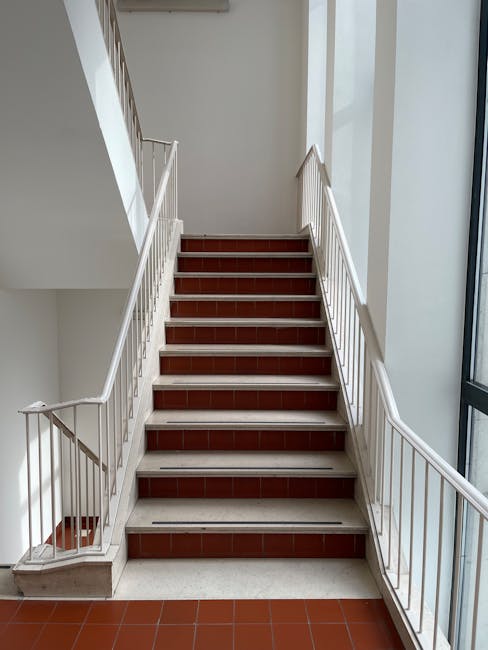
If you are moving in W14, there is a good chance the staircase will be the part that tests your patience. Narrow turns, awkward landings, steep flights, heavy furniture, and a building where the lift is "out of service" just when you need it most - yes, that sort of thing. Handling difficult stair access for W14 removals is not just about muscle. It is about planning, timing, safe lifting, and knowing when a smart shortcut is actually the safest route.
This guide walks you through what difficult stair access really means in a Kensington and West London removal, why it matters, and how to deal with it without turning moving day into a full-blown drama. You will also find a practical checklist, a simple comparison table, and a few real-world examples that should save you time, effort, and a sore back.
Why Handling difficult stair access for W14 removals Matters
Stair access changes almost everything about a removal. In a building with easy ground-floor access, you can move boxes and furniture with a steady rhythm. Add tight stairwells, bends, shared hallways, and limited parking, and the job becomes slower, riskier, and more physically demanding.
In W14, this matters because many homes and flats are in converted properties, mansion blocks, older terraces, or buildings with layouts that were never designed around large modern furniture. The result is predictable enough: wardrobes scrape walls, sofas get stuck on turns, and carrying anything bulky up three or four flights starts to eat time fast. It is the sort of thing that sounds simple until you are standing on a landing at 8:15 in the morning wondering how on earth a mattress got there in the first place.
Handled well, difficult stair access does not need to derail the move. Handled badly, it can lead to damaged furniture, delays, frustrated neighbours, and extra labour time. That is why this is not a side issue. It is central to planning a good move.
If you are comparing moving support options, it helps to look at the broader picture too. A service page such as flat removals in Kensington can be useful for understanding how stair-heavy properties are usually approached, while insurance and safety explains the protections that matter when tight access raises the risk of bumps and scrapes.
How Handling difficult stair access for W14 removals Works
The job starts before anyone lifts a box. A proper stair-access move begins with a survey of the route from the front door to the vehicle. That includes stair width, ceiling height, handrails, turns, landings, the distance from the property to the loading point, and whether any items need to be dismantled before they can leave.
Then comes planning. The mover decides which items can travel as they are, which need wrapping or disassembly, and which are simply too awkward to force through the staircase. That last point sounds obvious, but in practice people often try to "make it fit." That way lies chipped banisters, strained backs, and awkward silence on the landing.
For W14 removals, the stair strategy may include one or more of the following:
- moving the largest items first, while everyone is fresh
- protecting walls, banisters, and door frames with padding or covers
- using smaller loads rather than overfilling boxes
- breaking down bed frames, tables, and wardrobes in advance
- allocating enough staff so one person is not left carrying solo
- coordinating parking and access times so the team is not waiting around
There is also the question of communication. A removal team needs to know whether the lift is usable, whether the stairwell is shared, whether the building has restrictions, and if there are awkward access times. If you are moving into a block near a busy street or school run, that can matter more than people expect. Traffic and stair access together can snowball into delays very quickly.
One useful habit: walk the route from each room to the front door with your biggest item in mind. It sounds almost too simple, but it reveals the problem spots fast.
Key Benefits and Practical Advantages
There are real advantages to planning stair access properly rather than just hoping for the best.
1. Less damage to belongings
Furniture takes a beating when it is twisted around stair corners. With the right approach, items are protected before the lift begins, not after the dent appears. That means fewer scuffs, fewer cracked corners, and less time spent worrying about who knocked what.
2. Better safety for everyone involved
Steep or narrow stairs can be dangerous, especially with large items. Good handling reduces the chance of trips, slips, and strained lifts. This is not just about common sense; it is basic moving-day risk control.
3. Faster progress on the day
When access is planned well, the move has a rhythm. Boxes go out in the right order, larger items do not block the route, and the team spends less time stopping and restarting.
4. Lower stress levels
To be fair, this may be the biggest benefit. People underestimate the mental relief of knowing the stairs have been thought through. If you have ever watched a sofa hover at a 45-degree angle in a hallway, you will understand why.
5. Cleaner costs and fewer surprises
Access issues often create extra labour time. If those issues are known early, they can be priced and planned properly. If they appear on the day, they can turn into surprises nobody enjoys. For that reason, it is worth reading about how to avoid hidden fees in removals quotes before you confirm anything.
Who This Is For and When It Makes Sense
This kind of planning is useful for a lot more people than you might think. It is not just for top-floor flats with tiny staircases.
- People moving from or into period flats with narrow stairs
- Tenants in converted buildings with shared entrances
- Homeowners moving large furniture through split-level houses
- Students leaving compact accommodation with tight access
- Office teams relocating equipment from upper floors
- Anyone moving heavy or delicate items such as pianos, mirrors, or large wardrobes
It also makes sense when the property has awkward building rules, limited resident access times, or no practical lift use. In W14, that could mean a busy residential block, a mews property, or a flat above street level where the staircase is the only route. If your move includes a bulky item, such as a piano, it becomes even more important to plan properly. A specialist page like piano removals in Kensington is a good reminder that delicate heavy items need a different level of care.
Sometimes the simplest test is this: if you would not comfortably carry your heaviest item up the stairs yourself, it probably needs specialist planning. Fair enough, right?
Step-by-Step Guidance
Step 1: Inspect the access route early
Do this before moving day, not halfway through it. Check stair width, turns, ceiling height, bannisters, and whether doors open inward in a way that narrows the route. Measure the biggest items too, especially sofas, mattress bases, wardrobes, and white goods.
Step 2: Decide what should be dismantled
Not everything needs to come apart, but some items really should. Beds, table legs, modular wardrobes, and desk frames are common examples. Dismantling can save time and reduce the chance of damage. Keep screws and fittings in labelled bags. Small detail, big difference.
Step 3: Reduce box weight before you pack
Stair moves punish overpacked boxes. Books, crockery, and files become miserable very fast if you make them too heavy. Use smaller boxes for dense items and keep the weight manageable. That one habit alone can make the stairs feel twice as easy.
Step 4: Protect the route
Door frames, railings, floors, and corners should be protected before bulky items start moving. Blankets, corner guards, and temporary covers can stop little accidents becoming visible damage. In older W14 properties, this matters more than people expect because surfaces can be more vulnerable than they look.
Step 5: Load in the right order
The best loading order is usually the one that avoids backtracking. You want the heaviest or most awkward items out while the route is still clear and the team still has energy. Smaller boxes follow later. This reduces the chance of bottlenecks in the hallway.
Step 6: Keep the stairwell clear
It sounds basic, but a lot of delays come from clutter. Shoes, umbrellas, recycling bags, pushchairs, pet items, and loose parcels all seem harmless until the landing is busy. Clear them away before the team arrives.
Step 7: Have a plan for the last awkward item
There is always one. Maybe it is a sofa that will not turn, or a wardrobe that suddenly feels twice its size. At that point, you need patience, not panic. Sometimes rotating the item slightly changes everything. Sometimes the sensible answer is to dismantle it further. And sometimes, frankly, it needs a different route altogether.
Expert Tips for Better Results
A few practical habits make stair-heavy removals far smoother.
- Use a proper pre-move survey. Even a short walkthrough helps identify the trouble spots early.
- Keep the heaviest boxes small. Two lighter boxes are easier than one heroic monster box.
- Move fragile items separately. Glass, art, and electronics deserve more breathing room.
- Label rooms clearly. That avoids extra trips on the stairs because boxes were placed in the wrong spot.
- Pack a "first night" bag. If the move is exhausting, at least your essentials are not buried somewhere on the fourth landing.
- Allow extra time. Stair access almost always slows things a little. Build that into the day.
A useful local insight: in Kensington and nearby areas, timing can matter just as much as technique. If the street is busy, you may lose more time to parking or loading than to the stairs themselves. For that reason, it is worth reviewing W8 postcode removals cost and parking tips and what to know about delays and elevator access in South Kensington removals if your move involves a similar style of building.
Another small but valuable tip: keep a bottle of water nearby and wear proper shoes, not the quick slip-on pair you found by the front door. Sounds obvious. Yet it gets forgotten.
Common Mistakes to Avoid
Most stair-access problems are avoidable. The usual culprits are familiar.
Underestimating the staircase
People often assume the stairs will be fine because they "look okay." Then the sofa arrives. Then the angle changes. Then the mood changes too.
Packing boxes too heavily
This is probably the most common mistake. Heavy boxes are harder to carry, harder to balance, and harder to pass safely on a narrow stairwell. If a box feels annoying on level ground, it will feel unforgiving on stairs.
Ignoring the landing space
Many moves fail not on the stairs themselves but on the landing turn. That is where large items get stuck or require multiple awkward pivots.
Forgetting building rules
Some buildings have access restrictions, quiet hours, or rules about loading and unloading. Missing those details can create delays and, yes, a bit of unnecessary embarrassment in the lobby.
Not briefing the moving team properly
If the team does not know about a difficult stairwell, they cannot plan for it. That is the simple truth. Share accurate details early, including the number of floors, any lift issues, and whether the route includes narrow internal stairs.
Trying to force oversized items through
A forced fit is rarely a smart fit. Damage usually begins with optimism and ends with regret. Best to dismantle, reassess, or choose a different handling method.
Tools, Resources and Recommendations
You do not need a warehouse full of specialist gear, but the right basics make a big difference.
- Furniture blankets and wrap: helps protect finishes and edges during carrying
- Straps and grips: useful for keeping awkward loads balanced
- Corner protectors: ideal for stairwells with tight angles
- Tool kit: needed for dismantling beds, tables, and flat-pack furniture
- Labels and marker pens: simple, but essential for organised unloading
- Sturdy gloves: better grip and less chance of hand strain
- Trolley or sack truck: great for level runs, though not always suitable on every staircase
For more support around the wider move, it can help to look at packing and boxes, furniture removals, and removals in Kensington. Those pages give a broader picture of what a well-organised move looks like, especially when access is not straightforward.
If you need temporary space while sorting access issues or staged moving dates, storage in Kensington can be a practical pressure-release valve. Not glamorous, maybe, but very handy when the stairs say no and the calendar says go.
Law, Compliance, Standards, or Best Practice
For stair-access removals, the key point is not legal jargon. It is safe working practice. UK moving teams are expected to work carefully, manage lifting risks sensibly, and protect people and property where possible. In practice, that means training, communication, suitable equipment, and sensible load management.
If a move involves shared buildings, the team should also respect building rules and any reasonable access arrangements. That may include keeping communal areas clear, avoiding unnecessary noise, and not blocking fire routes or exits. If a property has a lift, the lift should be used only where it is appropriate and permitted.
Good movers also work with risk in mind. That does not mean being overcautious to the point of paralysis. It means being realistic: if an object is too large, too heavy, or too awkward for the staircase, the safer choice is usually to change the method rather than gamble. The same approach sits behind broader policies such as health and safety policy and the company's own approach to moving protection.
One more point worth mentioning: accessibility is not just a box-ticking exercise. If a resident has mobility needs, stair access planning should be handled with extra care and patience. That is the standard good practice people remember afterwards, the kind that quietly makes a difficult day feel manageable.
Options, Methods, or Comparison Table
There is more than one way to deal with difficult stair access. The right option depends on the building, the items, and the time available.
| Method | Best for | Pros | Limitations |
|---|---|---|---|
| Carry via stairs with protection | Smaller moves, lighter furniture, manageable stairwells | Direct, efficient, often cheapest | Can be slow and physically demanding |
| Partial dismantling | Wardrobes, beds, desks, modular furniture | Makes awkward pieces easier to move | Needs tools and time, fittings must be kept safely |
| Staged move with storage | Complex access, timing clashes, delayed keys | Reduces pressure on moving day | Adds an extra step to the process |
| Specialist handling for heavy items | Pianos, large antiques, oversized items | Better protection and safer lifting | May need a more tailored service |
| Smaller vehicle and multiple trips | Restricted parking, tight streets, limited access | Flexible and easier to position | May take longer overall |
For many W14 moves, a mix of methods works best. A few items come down the stairs, some are dismantled, and the most awkward pieces are handled with specialist care. That hybrid approach is often the most sensible one, honestly.
Case Study or Real-World Example
Imagine a second-floor flat in W14 with a narrow staircase, a sharp left turn on the landing, and a hallway that barely fits two people side by side. The move includes a three-seater sofa, a double bed frame, a wardrobe, boxes of books, and a large mirror.
On paper, it sounds manageable. In practice, the sofa is the problem. It reaches the landing and then stops dead because the turn is tighter than expected. The fix is not brute force. The team removes the sofa's feet, adjusts the angle, and wraps the wall edge to avoid scuffing. The bed frame is dismantled before it leaves the room, the mirror is moved separately, and the heavy book boxes are split into smaller loads.
The move still takes effort. Of course it does. But instead of becoming a stressful standoff in the stairwell, it stays controlled. No damage, no shouting, no panic. Just measured progress, a few deep breaths, and that lovely moment when the last box finally makes it through the front door.
That is the real lesson with difficult stair access: the win comes from preparation, not speed.
Practical Checklist
- Measure stairs, landings, and doorways before moving day
- Check whether the lift works and whether it can be used for removals
- Identify the largest and heaviest items early
- Dismantle furniture that will clearly struggle on the stairs
- Use smaller boxes for books, files, and dense items
- Protect floors, walls, bannisters, and corners
- Confirm parking and loading arrangements in advance
- Tell the moving team about access issues, not after they arrive
- Keep communal areas clear
- Set aside essentials for the first night
- Allow extra time in the schedule
- Consider storage if access or timing becomes complicated
Ticking off even half of those items can make a huge difference. All of them? Better still.
Conclusion
Handling difficult stair access for W14 removals is really about control. Control the route, control the weight, control the timing, and you control the stress. That does not mean every move will be effortless. Far from it. But with the right preparation, even a cramped staircase can be managed safely and calmly.
In a place like W14, where many buildings have character as well as complications, that thoughtful approach matters. A good move is rarely the flashiest one. It is the one where your furniture arrives intact, the walls stay clean, and nobody feels flattened by the process before the day is over.
Get a free quote today and see how much you can save.
If you want a better sense of how a professional, careful moving service approaches tricky access and property logistics, take a look at about us, or if you are ready to talk through your move, contact the team. A short conversation now can save a lot of hassle later, and that is usually time well spent.

