Kensington council rules for removals parking permits
Posted on 07/07/2026
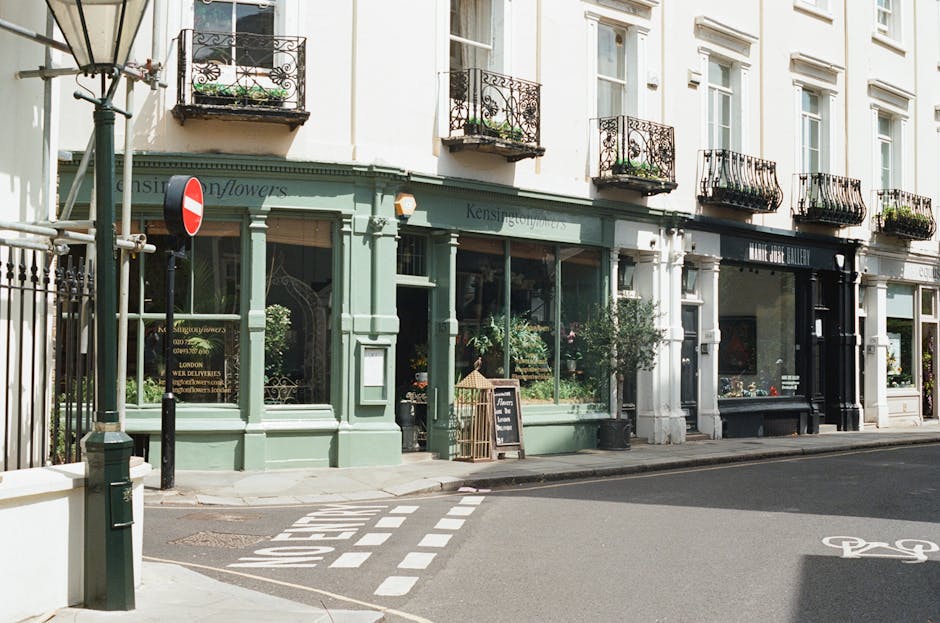
Kensington council rules for removals parking permits: what you need to know before moving day
If you are planning a move in Kensington, parking is rarely the part people enjoy thinking about. Yet it is often the thing that decides whether the day runs smoothly or turns into a slow, stressful shuffle of boxes, blocked access, and frustrated neighbours. Kensington council rules for removals parking permits can feel a bit fiddly at first, but once you understand the basics, the whole process becomes much easier to manage. This guide explains what the rules usually mean in practice, why they matter, and how to prepare properly so your removal vehicle can park where it needs to, when it needs to.
We will also look at the common mistakes people make, the steps to follow before moving day, and the practical details that tend to get overlooked until the lorry is already outside. If you are moving from a flat, handling narrow access, or booking a team for a tight time slot, this is the sort of planning that saves the day. To be fair, it is not glamorous. But it is absolutely worth it.
Why Kensington council rules for removals parking permits matters
Parking is one of those moving-day details that sounds minor until it is not. In Kensington, street space can be tight, loading opportunities can be limited, and local restrictions can change from one road to the next. That means a removal van or larger lorry cannot simply arrive and assume there will be a convenient place to stand for several hours. If the vehicle is parked incorrectly, you risk delays, fines, complaints from residents, or a rushed load that increases the chance of damage.
The rule set matters for another reason too: time. Removals are often timed around access windows, lift bookings, building rules, and personal schedules. If parking is not lined up properly, the entire chain slips. A move that should have felt orderly suddenly becomes a game of musical chairs with boxes, and nobody wants that at 8am on a Tuesday.
Kensington council rules also matter because many properties in the area have practical challenges built into them. Think mansion blocks with controlled bays, terraces with narrow streets, apartment buildings with strict loading policies, or homes where the front door is not especially close to where a vehicle can stop. That is why removal planning in the borough is never just about transport. It is about access.
Expert summary: if your removal vehicle needs to wait, load for a long time, or park close to the property, treat parking as a core part of the move rather than a last-minute add-on. In Kensington, that mindset saves stress, time, and often money.
If you are still choosing a removal provider, it helps to understand the practical side of the job as well. Our services overview gives a useful sense of the kinds of moves that typically need extra planning, while removals in Kensington often involve tight streets, flats, and careful timing more than people expect.
How Kensington council rules for removals parking permits works
In simple terms, a removals parking permit is permission to use a controlled parking bay, suspended bay, or other designated space for moving purposes, where the council or local authority requires approval. The exact process can vary depending on the street, the type of restriction, and whether you are using a standard removal van, a smaller vehicle, or a larger lorry. The practical aim is the same: to make sure the vehicle can stop legally and safely near the property.
In Kensington, the important thing is not to assume a single rule applies everywhere. Some roads have resident bays, some are shared with loading controls, and some have time-based restrictions that are stricter than they first appear. A quick visual glance at a sign is rarely enough. You need the full picture, especially if the vehicle will be stationary for longer than a drop-off or pick-up.
Usually, the process involves checking the street restrictions, deciding what vehicle size you need, working out how long the crew will need, and then arranging the appropriate permission well in advance. That is the sensible route. Waiting until the day before can leave you with fewer options, particularly if your move falls on a busy day or near a period when parking pressure is already high.
Some removals only need a short loading arrangement, while others benefit from a reserved bay or a more formal parking setup. If you are dealing with a flat move, the difference can be huge. A team that can park close to the door will work faster and with less physical strain, which matters a lot in buildings with stairs or limited lift access. For related practical reading, the flat removals Kensington page is useful, especially if your move involves upper floors or awkward entry points.
Key benefits and practical advantages
Getting the parking side right brings a few very real benefits. None of them are flashy, but they all improve the day.
- Less delay at the property: the crew can load and unload without circling the block or hunting for a space.
- Lower risk of penalties: legal parking reduces the chance of fines or enforcement issues.
- Safer handling: moving furniture from a vehicle that is parked close to the entrance is usually safer and faster.
- Better time control: if you are working to a handover deadline, parking certainty helps you stay on schedule.
- Less neighbour friction: nobody enjoys upsetting the whole street with a blocked road or a van parked badly outside a row of homes.
There is also a quieter benefit that people often forget: peace of mind. Once parking is sorted, the move starts to feel manageable. The crew can focus on the furniture, the lift, the stairs, and the wrapping, rather than wasting energy on where the van can go. It sounds small. It is not small.
If your move includes specialist items, proper access planning becomes even more valuable. For instance, a piano, heavy wardrobe, or oversized sideboard is much easier to handle when the vehicle is positioned well. That is one reason many people pair parking planning with professional help such as piano removals Kensington or furniture removals Kensington, where access and handling are part of the job, not an afterthought.
Who this is for and when it makes sense
Not every move in Kensington needs the same level of parking planning, but a permit or parking arrangement is especially worth thinking about if any of the following apply:
- You are moving from or into a flat on a busy or narrow street.
- Your building has no private driveway or forecourt.
- The removal vehicle will need to stay in place for more than a brief load.
- You are using a larger van or lorry that needs predictable access.
- Your property has stairs, a lift booking, or awkward internal access.
- You are moving during peak hours, weekends, or a time when the street is already crowded.
This is often the point where first-time movers realise that a "small" apartment move may still need proper logistics. A one-bed flat on a tight London street can be more demanding than a larger house with a drive. Funny how that works. The footprint of the property matters less than the footprint of the road outside it.
Students, families, tenants, landlords, and office managers all face different pressure points. A student move might be light on furniture but tight on timing. A family move might involve more items, more boxes, and more coordination with school runs. An office move may need access outside the normal hours. For a broader look at tailored move types, you may find student removals Kensington, house removals Kensington, and office removals Kensington helpful when planning the right approach.
Step-by-step guidance
If you want the parking side of the move to be calm and workable, follow this sequence. It is simple, but it works.
- Check the exact address and street restrictions. Look at the road outside the property, not just the postcode. Two nearby streets can have completely different parking controls.
- Estimate the size of vehicle you need. A smaller van may fit better, but if it means multiple trips, it may not be the most efficient choice.
- Work out how long loading and unloading will take. Be realistic. Most people are not. A staircase, narrow hallway, or awkward sofa can eat time quickly.
- Confirm building rules. Some blocks require lift reservations, access codes, or notice to the concierge. Ignore that and you may lose valuable minutes.
- Arrange the parking solution early. Leave enough time for admin, approval, and any communication with the relevant local authority or building manager.
- Tell your removal team everything. Vehicle access, road width, stair count, lift availability, and any loading limits all matter.
- Prepare on the day. Keep the path clear, boxes labelled, and keys ready. A tidy start helps enormously.
One small but important tip: if your moving time is fixed, build a buffer. Traffic in Kensington can be polite one minute and irritating the next. A van that arrives exactly on time but has nowhere to park is still, effectively, late.
It is also smart to coordinate parking with the rest of the move details. For instance, if you are booking storage because completion dates do not line up, parking may need to cover a two-stage process rather than a single load. In that case, a service like storage Kensington can help reduce pressure on the day.
Expert tips for better results
After enough moves, a few patterns become obvious. These are the details that tend to make a real difference.
First, choose the right vehicle, not just the biggest one. Bigger is not always better in Kensington. If the street is narrow or access is awkward, a more manageable vehicle can save time and reduce risk. That is one reason people often compare man with a van Kensington, man and van Kensington, and removal van Kensington options before confirming the booking.
Second, plan for the human part of the move. If the crew has to carry items further because parking is a little off, fatigue rises and speed drops. That sounds obvious, but in practice it often gets missed. The difference between a van being outside the entrance and being half a street away is not trivial when someone is carrying a wardrobe in the rain.
Third, keep communication precise. Give the team the full address, tell them about road furniture, bollards, entry codes, or controlled access, and mention any timing constraints. If there is a concierge or porter involved, say so early. A lot of moving-day headaches come from missing one small detail. One. Tiny. Detail.
Fourth, think about the route inside the property too. Parking is only half the job. If the lift is slow or the staircase is awkward, a perfectly parked vehicle may still not make the move easy. For more on that side of things, this guide on delays and elevator access in South Kensington removals is a good companion read, and handling difficult stair access for W14 removals covers another common pain point.
Fifth, ask for a clear quote. If parking arrangements are likely to affect timing, that should be reflected in the estimate. You do not want surprise charges after the boxes are already inside. The page on avoiding hidden fees in Kensington removals quotes is well worth a look if you are comparing providers.
![A street scene in Kensington showing a row of elegant, multi-storey Victorian terraced houses with cream and beige facades, decorative cornices, and large sash windows. Several people are seen on the pavement, including a cyclist riding along the road, pedestrians walking, and a person carrying a cardboard box, indicating a home relocation process. Parked cars, including a red hatchback, line the curb, while a black van with its rear doors open is visible, suggesting loading or unloading activities typical of a professional removal service. The sky is partly cloudy with blue patches, and the environment appears well-lit by natural daylight. This scene reflects the typical logistics involved in removals and furniture transport within Kensington, where strict parking permits and local regulations often influence the moving process. The image illustrates the importance of adhering to local council rules for removals parking permits, supported by [COMPANY_NAME], specialists in removals and house moves in the area.](/pub/blogphoto/kensington-council-rules-for-removals-parking-permits2.jpg)
Common mistakes to avoid
People usually do not get parking wrong because they are careless. They get it wrong because the move is busy, and parking feels like something they can "sort later". Later is often too late.
- Leaving permit planning until the last minute. This is the classic one. By the time you remember, the best options may already have gone.
- Assuming the same rules apply across Kensington. They may not. Even nearby streets can differ in loading conditions and time restrictions.
- Not matching the vehicle to the street. A van that is too large for the road can create problems before the boxes are even touched.
- Forgetting about building constraints. Lift bookings, concierge rules, and access windows can matter as much as the street outside.
- Underestimating how long the job will take. A move that looks easy on paper may still require more time if access is awkward.
- Failing to brief the removal team fully. The team cannot plan around details they never received.
Another mistake is assuming that "it will probably be fine" is a plan. It is not. Sometimes it is a prayer, which is different.
A lot of last-minute calls come from people who booked the right service but skipped the logistics. If that sounds familiar, the article on common problems when booking Kensington man and van last minute is a useful reality check.
Tools, resources and recommendations
You do not need a huge toolkit to handle this properly, but you do need a practical one. Start with the address, the moving date, the vehicle size, and a written note of any building or road restrictions. Keep that information in one place so nobody is guessing on the morning.
A good moving checklist helps, especially if you are coordinating packing, lift access, and parking at the same time. If you have not started packing yet, the packing and boxes Kensington page can help you think through the basics. Strong packing and sensible labelling make the loading phase much quicker, and quicker loading is often the difference between easy parking and awkward parking.
It is also sensible to compare the kind of removal support you actually need. Not every move requires a full-scale crew, but not every move should be handled with the smallest possible vehicle either. If you are unsure, start with the wider service set on removal services Kensington or compare providers through removal companies Kensington.
For clients who want clarity on quote structure, lead times, and payment expectations, the pages on pricing and quotes and payment and security are useful supporting reads. They help you avoid that vague feeling of "wait, what is included here?" which, let's face it, nobody enjoys.
Law, compliance, standards, or best practice
Parking for removals sits in the wider world of local parking control, highway rules, and access management. While the exact requirements can vary, the general expectation is straightforward: vehicles should be parked legally, safely, and with proper regard for road users, residents, and property access.
Best practice in this context is not just about avoiding penalties. It is about reducing obstruction, respecting neighbours, and making sure the move can be completed without unnecessary risk. In practical terms, that means checking restrictions, communicating clearly, and not assuming that a temporary stop is automatically acceptable.
If you are coordinating with a building manager or concierge, it is wise to confirm any internal rules as well. Some properties care more about shared areas, lift use, or courtyard access than they do about the street itself. That may sound bureaucratic, but it is usually there for a reason: to keep things moving safely and fairly for everyone.
Where specialist handling is involved, standards around care and safety matter even more. You want a mover who treats equipment, flooring, and access routes properly. If that is a priority, the pages on insurance and safety and health and safety policy give a helpful sense of the care expected from a professional operation.
Options, methods, or comparison table
There is more than one way to manage removals parking in Kensington. The right method depends on the street, the vehicle, and how much time you have. Here is a simple comparison to make the decision easier.
| Method | Best for | Strengths | Watch-outs |
|---|---|---|---|
| Short loading stop with careful timing | Very quick moves or light loads | Simple, low admin, often enough for small jobs | Can fail quickly if loading takes longer than expected |
| Formal parking arrangement or permit | Longer removals and busy streets | More predictable, better for larger teams and heavier items | Needs more planning and confirmation in advance |
| Smaller vehicle with multiple trips | Narrow streets and tricky access | Can fit better and be easier to position | May take longer overall and increase labour time |
| Full service move with careful access planning | Flats, stair-heavy properties, specialist items | Reduces stress and improves coordination | Usually needs more detailed briefing and timing control |
There is no one-size-fits-all answer here. Some homes simply need a neat loading window and a compact van. Others need a more structured setup, especially where access is tight or the item list is larger. If your move includes a quick turnaround or a particularly busy day, services like same day removals Kensington may also be relevant, though parking still needs to be considered carefully.
Case study or real-world example
Picture a typical Kensington flat move on a weekday morning. The property is on a busy street, the entrance is tucked just off the road, and the building has a lift that is booked for a limited time. The occupants have packed well, but the furniture includes a sofa, a bed frame, and several heavy boxes that need to come down a narrow internal staircase. Nothing unusual, really. Just a normal London move with a few wrinkles.
In that situation, the team that arrives without a parking plan may spend the first stretch of the job circling for a space or working from a distance. That creates pressure straight away. By contrast, a team that already knows where the vehicle can stop can begin loading almost immediately, keep the route clear, and move in an orderly sequence. The difference is obvious by the time the kettle is packed away.
Now add one more detail: the building manager wants the lift kept free for other residents after a certain time. If parking had been a gamble, the move could easily overrun. But with a sensible parking arrangement and a realistic loading plan, the team finishes on time and the move stays calm. Not perfect, maybe. But calm enough. And on moving day, calm is gold.
That is why so many people ask about parking before they ask about anything else. They have learned the hard way, or they have heard one too many stories from a neighbour. Fair enough.
Practical checklist
Use this quick checklist before moving day.
- Confirm the full moving address and street name.
- Check the local parking restrictions for the exact location.
- Choose the right size of vehicle for the access available.
- Check whether the building needs lift booking or access notice.
- Tell the removal team about stairs, narrow roads, or controlled bays.
- Allow extra time if the street is busy or loading is awkward.
- Keep boxes labelled and pathways clear.
- Make sure keys, codes, and contact details are ready.
- Review the quote so parking-related time is properly accounted for.
- Keep a phone nearby in case the driver needs a quick update.
If you tick these off calmly, the move usually feels much more manageable. A little organisation goes a long way here. Honestly, more than people expect.
Conclusion
Kensington council rules for removals parking permits may not be the most exciting part of moving, but they are often one of the most important. The right parking setup helps protect your schedule, reduce stress, improve safety, and make the whole day feel less chaotic. In a borough where roads can be narrow, access can be tight, and timing matters, that is a serious advantage.
The key is simple: check the street, understand the restrictions, choose the right vehicle, and brief your removal team early. If your move involves a flat, stairs, heavy furniture, or a rushed timetable, parking planning is not optional. It is part of the move itself.
And once it is handled properly, you can focus on the better part of the day: getting the last box through the door, hearing the tape rip off the final carton, and finally putting the kettle on. That moment always feels good.
Get a free quote today and see how much you can save.