What to know about delays and elevator access in South Kensington removals
Posted on 18/06/2026
Moving in South Kensington can feel straightforward on paper, and then the building diary, lift booking sheet, loading bay rules, and one very slow service lift turn up and change the whole day. That is why understanding what to know about delays and elevator access in South Kensington removals matters before you book a van or ask friends to help. In this part of London, time lost at the front door can affect parking, lift access, stair carrying, building noise limits, and even whether the crew finishes in one trip or has to return later.
This guide explains how delays usually happen, how elevator access affects your move, and what you can do to keep things moving. You will also find a practical checklist, a comparison table, and real-world advice for flats, mansion blocks, converted buildings, and office moves. If you want a broader look at local moving services while you plan, the services overview and flat removals Kensington pages are useful starting points.
Contents
- Why delays and elevator access matter
- How the moving process usually works
- Key benefits of planning access properly
- Who this is for and when it makes sense
- Step-by-step guidance
- Expert tips for smoother moving day
- Common mistakes to avoid
- Tools, resources and recommendations
- Law, compliance, standards and best practice
- Options, methods and comparison table
- Case study or real-world example
- Practical checklist
- Conclusion
- Frequently asked questions
Why What to know about delays and elevator access in South Kensington removals Matters
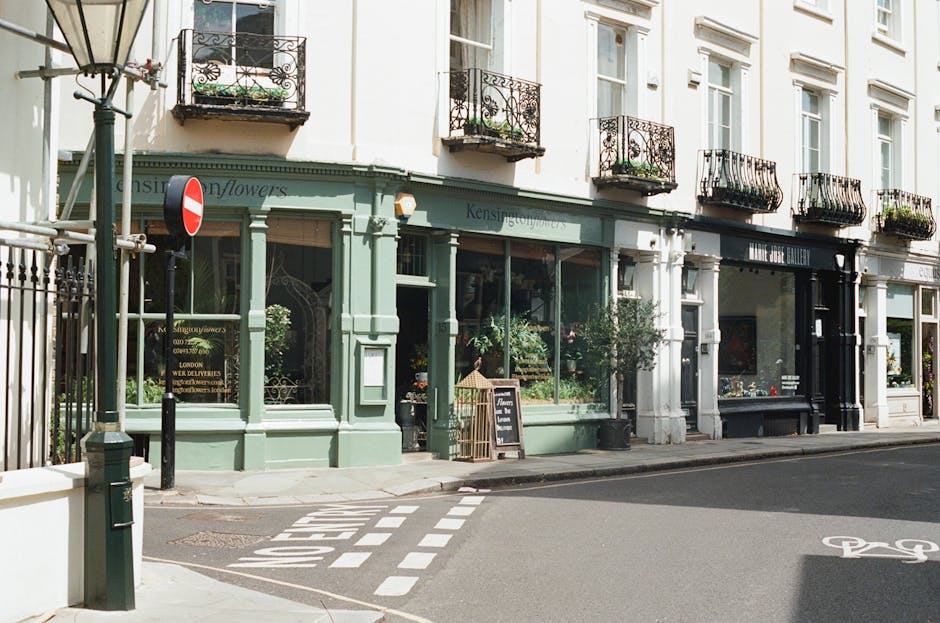
South Kensington is one of those areas where the streets look elegant and calm, but moving logistics can be a bit of a puzzle. Many homes are in period conversions, apartment blocks, mews-style properties, and managed buildings with strict access windows. That means delays are not just annoying. They can trigger knock-on problems all day long.
A small delay at the lift can become a parking issue, then a missed handover slot, then an overtime charge. It is not dramatic in the moment, but by late afternoon you can feel the whole move slipping away. To be fair, it only takes one bottleneck. A lift held by another resident, a porter who is on lunch, or a van that cannot stop close enough to the entrance. Suddenly everyone is carrying boxes a little more carefully and speaking a little more quickly.
Understanding this topic is especially useful if you live in a flat, are moving into a managed building, or have a lot of bulky furniture. It also matters if your move is being coordinated with lease timings, estate agents, or cleaners. For broader context on how local residents experience the area, the article on Kensington as home gives a useful feel for the kind of buildings and lifestyles common here.
Expert summary: In South Kensington, the biggest moving-day risks are usually not distance or volume. They are access timing, lift availability, parking, and building rules. Plan for those first, and the rest becomes much easier.
How What to know about delays and elevator access in South Kensington removals Works
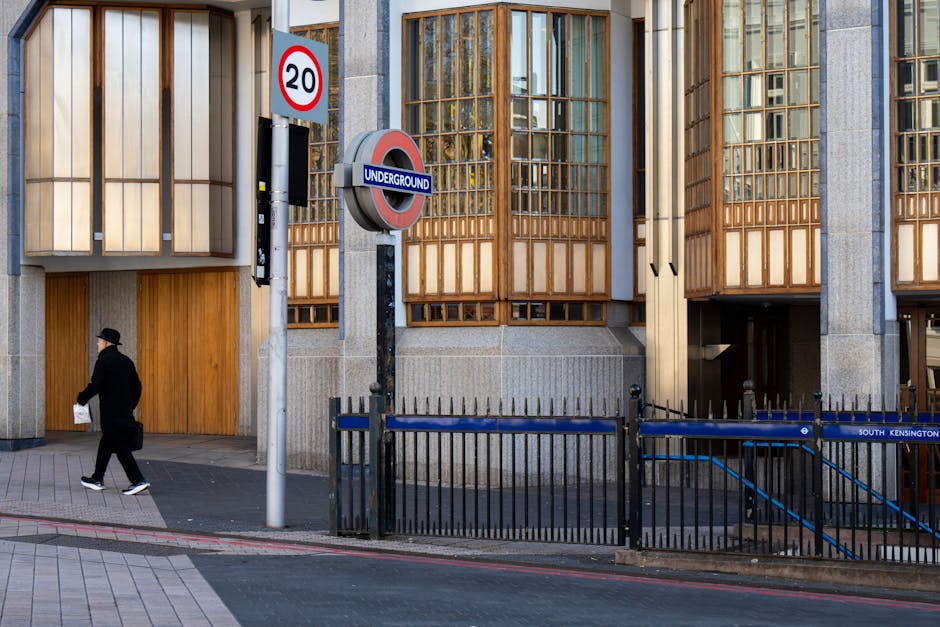
Most removals in South Kensington follow the same basic pattern: arrival, parking, access check, loading, transit, unloading, and final placement. What changes from one move to another is how smoothly the access step works. If the building has a booked service lift, things may run neatly. If the lift is shared, you may be waiting between trips. If there is no lift at all, the crew will rely on stairs and a lot more manual carrying.
In practical terms, elevator access affects three things:
- Speed - every trip in a lift is faster than stairs, but only if the lift is available when needed.
- Safety - a clear, usable lift reduces strain and lowers the risk of bumps and dropped items.
- Cost - delays can extend labour time, especially if the crew is waiting for lift access, keys, or building staff.
Delays usually begin before the first box is moved. Maybe the concierge is expecting a booking confirmation. Maybe the lift needs protection blankets installed. Maybe neighbours are using the lift for school runs, deliveries, or just normal life. South Kensington is busy in that quiet London way; you do not always notice it until you need everyone to stop and let a sofa through.
If you are moving from a flat, it is worth comparing service styles too. A dedicated flat removals Kensington service is often more suitable than a general last-minute arrangement, while a man with a van Kensington option can work well for lighter loads and shorter moves. The right choice depends on access, not just the number of boxes.
Key Benefits and Practical Advantages
Planning for delays and elevator access may sound like admin, but it gives you real advantages on the day. The biggest benefit is control. When you know the likely pinch points, you can build a move that feels organised rather than reactive.
Here are the practical gains people notice most:
- Fewer surprise charges because the team is not standing around waiting for building access.
- Less stress because everyone knows the lift plan, arrival time, and loading route.
- Better protection for belongings since furniture is moved in a more deliberate, safer way.
- Smoother neighbour relations because noise, lift use, and corridor traffic are managed properly.
- More realistic scheduling for key handovers, cleaners, and building managers.
There is also a comfort factor people underestimate. If your move is already emotionally busy, you do not want to spend the afternoon worrying whether the lift is free or whether the van can wait another ten minutes. Once the access plan is clear, the whole day feels lighter. Honestly, that matters.
For readers comparing service types, it can help to review removal services Kensington alongside removal companies Kensington and removals Kensington to see what level of support fits a building with stricter access rules.
Who This Is For and When It Makes Sense
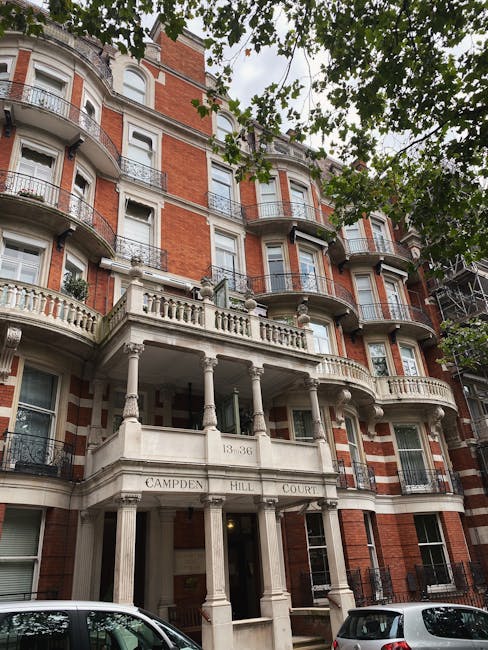
This topic is relevant to more people than you might think. Yes, it is obvious for flat dwellers. But delays and elevator access can affect house moves too, especially in townhouses, mansion blocks, and mixed-use buildings where the front entrance or shared hall is busy.
You will especially want to plan ahead if you are:
- moving into or out of a managed apartment building
- relying on a service lift or goods lift
- moving a piano, heavy wardrobe, or awkward sofa
- working within a tight lease or completion window
- using a narrow street where parking will already be limited
- booking a move near rush hour, school run time, or a busy weekend
It also makes sense for students and office movers. A student move may seem light, but tight staircases and shared lifts can still create bottlenecks. The same goes for compact office premises where lifts are shared with other tenants. If you are in either of those situations, a look at student removals Kensington or office removals Kensington can help you think through the access side of the job.
And if the move involves a particularly awkward item, such as a grand or upright instrument, the room for error gets tiny. That is where piano removals Kensington becomes relevant, because the logistics around lift dimensions and timing matter more than people expect.
Step-by-Step Guidance
If you want to reduce delays, do not start with the van. Start with the building. That is the better order, every time.
- Confirm the access rules
Ask whether there is a resident lift, service lift, or no lift at all. Check whether the lift can be reserved and whether protection padding is required. Some buildings require a porter or concierge to supervise the move. - Measure the route
Measure door widths, lift cab size, stair landings, and tight corners. This is especially important for wardrobes, sofas, beds, and appliances. A few centimetres can decide whether a piece goes through upright or has to be angled carefully. - Check booking windows
Some buildings limit move-in or move-out times. Others prefer weekday slots or avoid lunchtime. If you are buying in the area, the pages on your Kensington property buying guide and purchasing homes in Kensington can help you think about timing around completion day. - Plan parking and unloading
Even the best lift plan fails if the van cannot get near the entrance. Check loading restrictions, suspension of bays if needed, and whether the street becomes congested at certain times. The local advice in W8 postcode removals cost and parking tips South Kensington is especially relevant here. - Build in a time buffer
A fifteen-minute cushion is rarely enough in South Kensington. Aim for a more realistic buffer if the building shares access with many residents, or if the lift is small and slow. - Tell the removal team early
Share the exact access details before moving day. If the lift is tight, the route long, or stairs are unavoidable, the team can bring the right equipment and allocate the right number of people. - Keep essentials separate
Documents, chargers, medicines, keys, and a kettle should not be buried in the last box on the van. When delays happen, you will be glad you planned that part. Really glad.
One small but important point: if the building manager asks for insurance evidence, it is much easier to deal with that before the move than during it. The same goes for parking permissions and lift reservations. A little chasing on Thursday often saves a lot of rushing on Saturday.
Expert Tips for Better Results
Over the years, the smoothest South Kensington moves tend to share the same habits. Nothing flashy. Just sensible, boring, effective preparation. Which is usually how the best moving days go.
- Book the lift slot first, then the van. If you do it the other way round, you may end up paying for waiting time.
- Use labels that tell the crew where each item should go. That reduces corridor back-and-forth and keeps lift trips efficient.
- Protect the building as well as the furniture. Lift doors, corners, and hallway walls are easy to mark if people are rushing.
- Keep neighbours informed where possible. A simple note or conversation can reduce friction, especially in smaller blocks.
- Have a contingency for bad timing. If the lift is out of service, what happens next? A stair carry? A later slot? Temporary storage?
It is also worth thinking about the type of vehicle and crew you need. A compact vehicle may be better on a tighter street. A larger team may be the smarter choice if the lift is slow but usable and your furniture is substantial. If you are unsure, reading about a man and van Kensington or removal van Kensington option can help you compare access-friendly approaches without overcommitting.
And yes, sometimes the smartest move is not trying to be heroic. If the lift fails or access becomes chaotic, pausing for ten minutes is usually better than forcing a risky carry. No one wins a prize for wrestling a wardrobe around a tight landing at 4:30 p.m.
Common Mistakes to Avoid
A few mistakes show up again and again in local removals. They are easy to make because they feel small at the planning stage. Then they become expensive or time-consuming on the day.
- Assuming every building has a usable lift. Some do not. Some lifts are tiny. Some are booked. Some are out of service without much warning.
- Forgetting to ask about access windows. A move booked for "morning" can still be impossible if the building only allows goods movement after a certain time.
- Underestimating waiting time. Two crews can be doing everything right and still lose time if a lift is shared or held.
- Not checking the route from van to front door. A long carry from the road can be the real delay, not the lift itself.
- Leaving bulky items unmeasured. Sofas and wardrobes are the usual troublemakers. They look fine until they meet a narrow lift door.
- Booking too late. Last-minute arrangements are especially risky where access is tight. If that sounds familiar, the article on common problems when booking Kensington man and van last minute is worth a read.
Another common issue is hidden cost panic. People often focus on the hourly rate and forget the moving-day realities that change the total. For a better sense of how quotes can shift, see avoid hidden fees in Kensington removals quotes. That article pairs well with this one, because access and delay are exactly where costs creep in.
Tools, Resources and Recommendations
You do not need fancy software to manage a South Kensington move, but a few simple tools make life easier.
- Measuring tape - for lift doors, furniture, hallways, and stair turns.
- Phone photos or short videos - useful for showing the crew a tight entrance or awkward staircase.
- Building contact details - concierge, porter, managing agent, or landlord, depending on the property.
- Move inventory - a list of large items and fragile items, so the crew can prioritise.
- Parking notes - where the van can stop, what time restrictions apply, and whether a second vehicle space is needed.
- Box labels - not glamorous, but very effective. Kitchen, books, documents, fragile, essentials. Simple wins.
If you are still comparing support levels, the house removals Kensington page is useful for bigger moves, while furniture removals Kensington can help if the main concern is bulky items rather than a full household. And for people who need temporary overflow space because access is delayed or completion timing is messy, storage Kensington is often the calmest answer.
Law, Compliance, Standards and Best Practice
South Kensington removals may feel like a practical logistics problem, but there are still safety and compliance considerations. The exact rules vary by building and by street, so it is sensible to treat each move as its own case rather than assuming one arrangement will fit all.
In practice, the main things to keep in mind are:
- Building rules - many developments have written requirements for lift booking, floor protection, and move times.
- Parking and loading restrictions - local streets can be tightly controlled, especially in busier parts of the day.
- Insurance expectations - some buildings ask for proof of public liability or similar cover before they allow access.
- Health and safety - safe lifting, clear walkways, and sensible team sizes matter more when lifts are narrow or delays stretch the day.
It is also good practice to work with a company that has clear policies on safety, complaints, privacy, and payment handling. Those pages may sound administrative, but they tell you a lot about how organised the business is. Useful references include insurance and safety, health and safety policy, payment and security, and complaints procedure.
If you care about how a company operates behind the scenes, you can also review the about us page and the recycling and sustainability information. It gives a fuller picture of values, not just vehicles.
One more thing: for people with accessibility needs, it is worth checking whether the building itself is genuinely suitable, not just technically "lift served". A slow lift, a small cab, or a heavy door can still make a move difficult. That is where the site's accessibility statement may be useful.
Options, Methods and Comparison Table
Different access situations call for different moving approaches. Here is a simple comparison to help you decide what fits best.
| Method | Best for | Strengths | Watch-outs |
|---|---|---|---|
| Lift-based removal | Managed flats with booked lift access | Usually faster, safer for heavy items, less stair carrying | Depends on lift availability and booking rules |
| Stair carry | Buildings without a lift or with very limited access | Works when no lift is available | Slower, more physical, higher chance of delays |
| Man and van | Smaller loads or short-distance moves | Flexible and often practical for lighter moves | May need extra time if access is awkward |
| Full removals team | Large homes, family moves, bulky furniture | Better handling, more manpower, more structured planning | Needs clear access details to avoid wasting time |
| Temporary storage | Gap between properties or delayed access at one end | Takes pressure off move day | Adds another step and another handover |
If you are unsure which route makes sense, think less about the label and more about the building reality. That is the better test. A move with a lift and easy parking can be surprisingly simple. A "small" move with no lift and a difficult loading bay can be a proper headache.
Case Study or Real-World Example
Here is a realistic South Kensington scenario. A couple moves from a second-floor flat into a nearby apartment building. On paper, it looks easy: short distance, not too many boxes, one sofa, a bed, and a dining table. The issue is that both buildings have lift rules. One lift is available only during a set booking window. The other building has a small service lift that can take boxes but not the sofa.
Without planning, the move might have unfolded like this: crew arrives, waits for the lift slot, tries to park close to the entrance, finds the loading bay occupied, and then spends extra time carrying the sofa stairs because the lift cab is too narrow. Not ideal. Quite the opposite, in fact.
Instead, the move is handled with a simple plan. The smaller boxes go through the lift first during the booked slot. The sofa is measured in advance and then carried with the right angle and enough people. Parking is confirmed the day before. Essentials are packed separately, so there is no frantic search for keys or chargers at the end. The whole thing still takes effort, but it stays controlled.
That is really the point. Delays are often unavoidable in South Kensington, but disorder is not. You can live with one without inviting the other. Small distinction, big difference.
Practical Checklist
Use this before moving day. It saves a lot of last-minute scrambling.
- Confirm whether the building has a lift, service lift, or stairs only
- Check if the lift must be reserved and whether it has time limits
- Measure the lift cab, door widths, hallway turns, and stair landings
- Ask about concierge, porter, or management approval
- Verify parking, loading, and unloading options near the property
- Share access details with the removals team in writing
- List all heavy, awkward, or fragile items
- Prepare labels for boxes and separate essential items
- Keep proof of insurance or booking confirmation ready if required
- Build in extra time for delays, lift queues, or security checks
- Have a backup plan if the lift is out of service
- Keep contact numbers for building staff and your removal team handy
If you tick off those points, you are already ahead of a lot of moves in the area. It sounds basic because it is basic. And basic is good when the clock is ticking.
Get a free quote today and see how much you can save.
Conclusion
What to know about delays and elevator access in South Kensington removals comes down to one simple idea: the move is only as smooth as the access allows. Parking, lift booking, building rules, and route planning matter just as much as boxes and van size. If you treat those details as the core of the move, not an afterthought, you give yourself a much calmer day.
That is especially true in South Kensington, where elegant buildings can hide tricky logistics. Plan early, measure properly, ask the awkward questions, and keep a little buffer for real life. Things do go wrong sometimes. They just do not have to become a drama.
And when it all clicks into place, you feel it immediately. The lift is free, the van is parked, the corridor is protected, and the day starts to breathe again. Small victory, but a satisfying one.